

Horse racing has long been a popular sport, capturing the hearts of millions around the world. However, while many enthusiasts love the thrill of the race, betting on horse racing is not for everyone. Whether it be the complexities involved, financial risks, or the social implications, there are several reasons why individuals may choose to steer clear of horse racing betting. In this article, we will delve into the reasons behind this decision and examine the factors that contribute to the notion that horse racing betting is not suitable for everyone. Additionally, you can explore more insights at Horse Racing Betting Not on GamStop https://norfolksupracing.co.uk/.
The Complexity of Horse Racing Betting
Horse racing betting is not merely about picking a horse based on its name or the color of its jockey’s outfit. It involves a nuanced understanding of numerous factors that can influence the outcome of a race. From the horse’s past performance, physical condition, jockey experience, and even track conditions, bettors need to consider a multitude of elements.
This complexity can be overwhelming for newcomers. They might find themselves drowning in statistics, form guides, and odds, leading to confusion and frustration. As a result, many potential bettors may decide that the intellectual investment required is not worth the potential reward, leading them to shy away from the betting aspect of the sport entirely.
The Financial Risks of Betting
One of the most significant deterrents for individuals considering horse racing betting is the potential for financial loss. Betting on horse races can be risky, and while there are those who succeed, many bettors ultimately lose money. The allure of “quick wins” can easily turn into a cycle of chasing losses, leading to increased financial woes.
For those who may already be financially vulnerable, engaging in betting can exacerbate existing problems. It is essential to approach gambling with caution, understanding that it is a form of entertainment rather than a reliable source of income. Understanding the principles of responsible gambling is critical, and recognizing one’s limits is paramount to ensuring that betting remains a fun and enjoyable pastime.
The Social Stigma Surrounding Gambling
Society’s perception of gambling can considerably influence individuals’ decisions about engaging in activities like horse racing betting. The stigma attached to gambling can lead to feelings of shame or embarrassment, leading individuals to avoid betting altogether. Frequently, bettors find themselves facing judgment from family and friends, making the experience even less appealing.
This social stigma can be particularly pronounced in certain cultures or communities where gambling is frowned upon. Consequently, many individuals may choose to abstain from horse racing betting, not only to avoid financial risks but also to sidestep potential social ramifications.
The Emotional Rollercoaster of Betting
Horse racing betting can evoke a wide array of emotions, ranging from excitement and joy to disappointment and regret. The highs of winning can be exhilarating, but the lows of losing can be devastating. For some, the emotional strain is not worth the potential enjoyment.
Bettors often find themselves in situations where their emotions can cloud their judgment, leading to hasty decisions that may not be based on logic or analysis. This emotional rollercoaster can turn what is meant to be a fun activity into a stressful and anxiety-inducing experience. Consequently, many people prefer to enjoy horse racing as a spectator sport rather than engage in the uncertainty of betting.
The Time Investment Required
To become a successful bettor, one must dedicate a significant amount of time to researching horses, races, and the betting landscape. Many individuals lead busy lives, juggling work, family, and other responsibilities, leaving little time for the extensive preparation needed to make informed betting decisions.
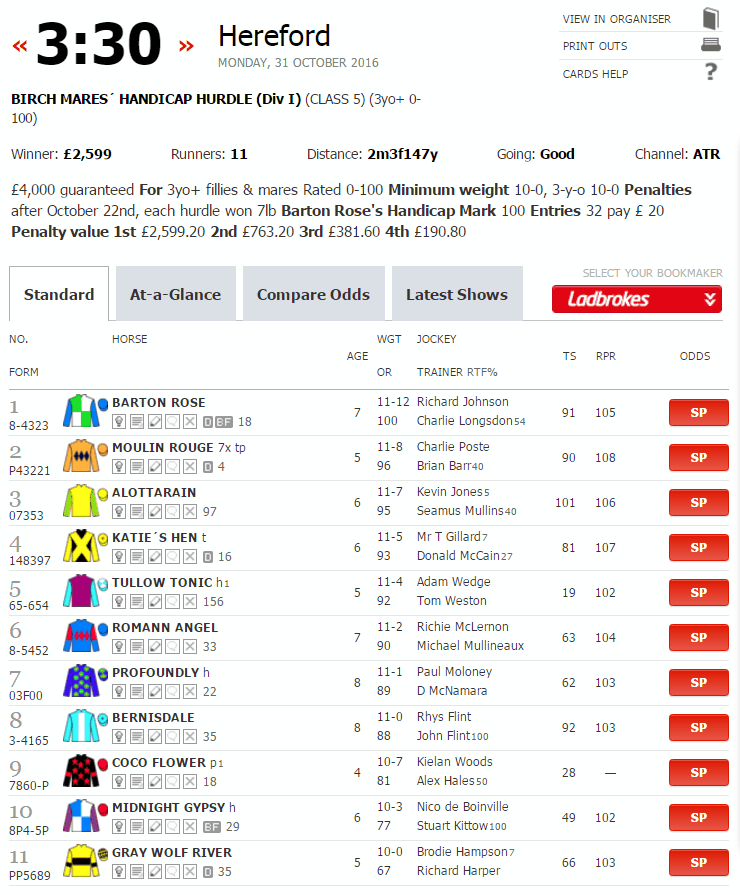
For some, the idea of investing time into studying odds and statistics feels like an unproductive use of their free time. Instead, they may choose to engage in other leisure activities that require less time investment or provide more immediate gratification, making horse racing betting simply unappealing.
Alternatives to Betting
For those who enjoy the thrill of horse racing but wish to avoid the complexities and risks associated with betting, there are numerous alternative ways to engage with the sport. Watching races for enjoyment, participating in fantasy leagues, or attending live events as a spectator can provide the thrill without the associated risks of gambling.
Many horse racing fans find joy in the camaraderie of fellow spectators, the atmosphere of the tracks, and the excitement of the races without any financial stakes involved. This ensures that their love for the sport remains intact while sidestepping the potential pitfalls of betting.
Conclusion
While horse racing betting can be a thrilling experience for some, it is undoubtedly not for everyone. The complexity, financial risks, social stigma, emotional toll, time commitment, and alternative engagement options can all contribute to the decision to refrain from betting on horse racing. Understanding these factors can empower individuals to make informed choices about how they connect with the sport they love, ensuring a positive and enjoyable experience. Ultimately, whether as a bettor or a spectator, the joy of horse racing can be savored in myriad ways.